 UmojaPride
© 2026 UmojaPride. All rights reserved.
Feb 06, 2026
Spared by "Unsound Mind": Why Uganda’s First AHA Dismissal Isn’t the Victory We Need
In early February 2026, a Soroti court became the center of a shallow victory. After nearly 900 days in the shadow of the gallows, Michael Opolot, the first person to be charged under Uganda’s draconian Anti-Homosexuality Act (AHA) 2023, walked free. WHile the court dismissed the case, it did not rule the law unconstitutional. Instead, the case was dismissed on grounds of his mental health. The magistrate found the accused “of unsound mind after a long detention on remand,” and therefore unable to stand trial. In other words, the court did not invalidate the anti-LGBT law itself, it merely halted this prosecution on a technicality. Micheal did not leave as a man whose rights had been vindicated; he left as a man broken by the very system that claimed to be protecting "public morality."
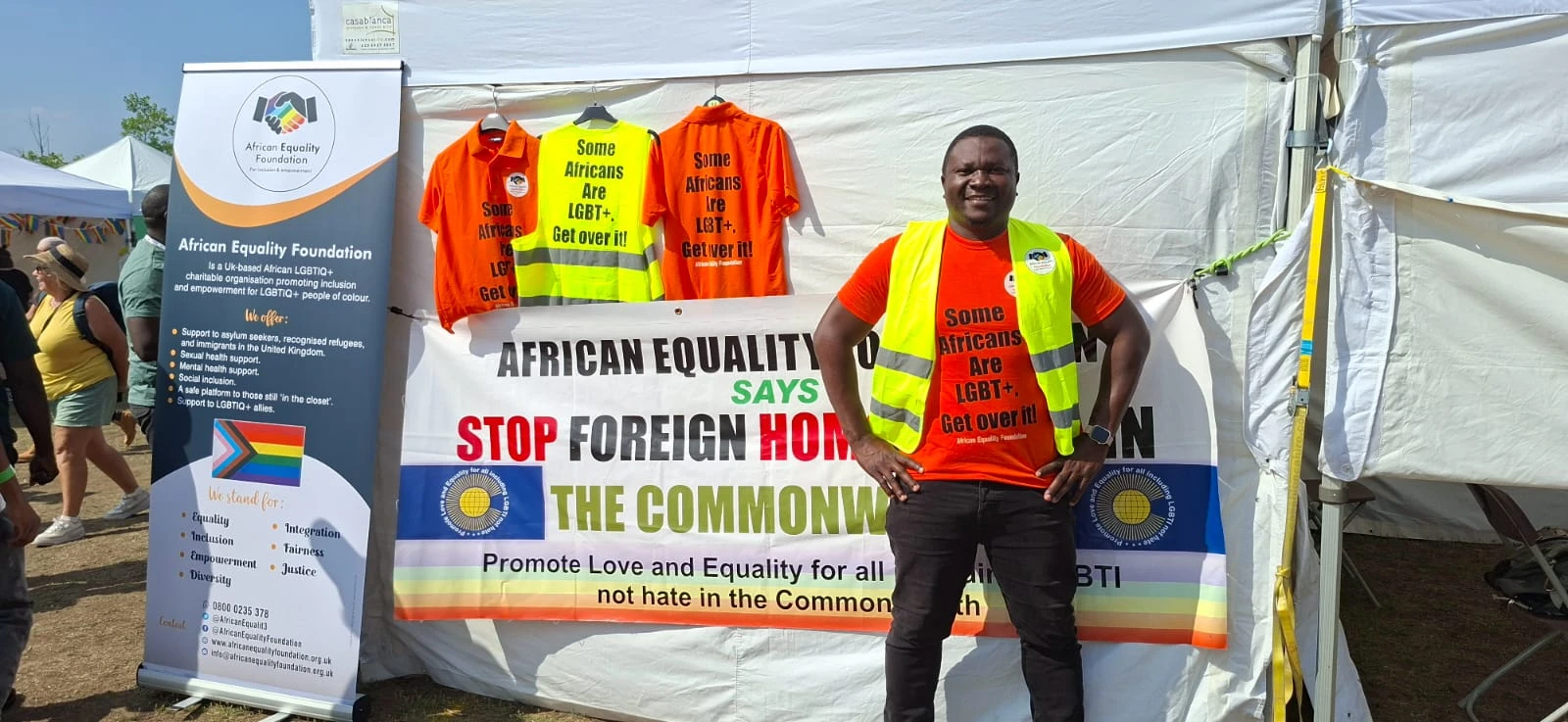
UmojaPride founder wearing a t-shirt with 'Some Africans Are LGBT+, Get Over It' written on at the UK Black Pride 2025.
This limited relief does not weaken the law. Relying on individual case dismissals, especially via pleas of mental incapacity, is no substitute for fully repealing Uganda’s draconian anti-gay law.
- The law’s severity: Uganda’s 2023 Anti-Homosexuality Act is one of the world’s harshest laws targeting the LGBTQI+ community. It imposes life imprisonment for consensual same-sex relations and even the death penalty for “aggravated homosexuality” (repeat offenses or sex with a person who is HIV-positive, a minor, elderly or disabled). Under colonial-era and new statutes combined, any “carnal knowledge against the order of nature” can lead to 10 years or more in prison.
- The case timeline: In August 2023, a few months after the law took effect, a 20‑year‑old man was arrested and accused of “unlawful sexual intercourse” with a 41‑year‑old male. Prosecutors initially charged him with aggravated homosexuality (punishable by death), then later amended the charge to “unnatural offences”, "carnal knowledge” (life imprisonment). He spent nearly a year in detention before being released on bail. After two years of proceedings, on Feb 3, 2026 the court unexpectedly dropped the case, ruling the defendant mentally unfit and unable to follow the trial.
- Dismissal on mental health grounds: The key reason for dismissal was not any flaw in the law, but the defendant’s condition. The magistrate found him ‘of unsound mind’ and “mentally unstable”, effectively acknowledging that prolonged detention had triggered psychosis. Indeed, defense lawyers argued that the accused developed schizophrenia because of nearly two years in custody. While this judgment frees the individual, it leaves the law intact. As rights lawyer Juliet Kanyange noted, the confusion surrounding the new law meant even prosecutors struggled with charges – but none challenged the law’s validity in court.

What This Means – Precedent or Problem?
The case’s outcome is a double-edged sword. On one hand, civil society hailed the client’s release as a partial victory. LGBTQ activist Richard Lusimbo called it “a major breakthrough which should have come out earlier,” stressing that detaining someone for over a year without trial is “injustice at its worst”. Indeed, dismissals spare individuals the nightmare of a wrongful conviction.
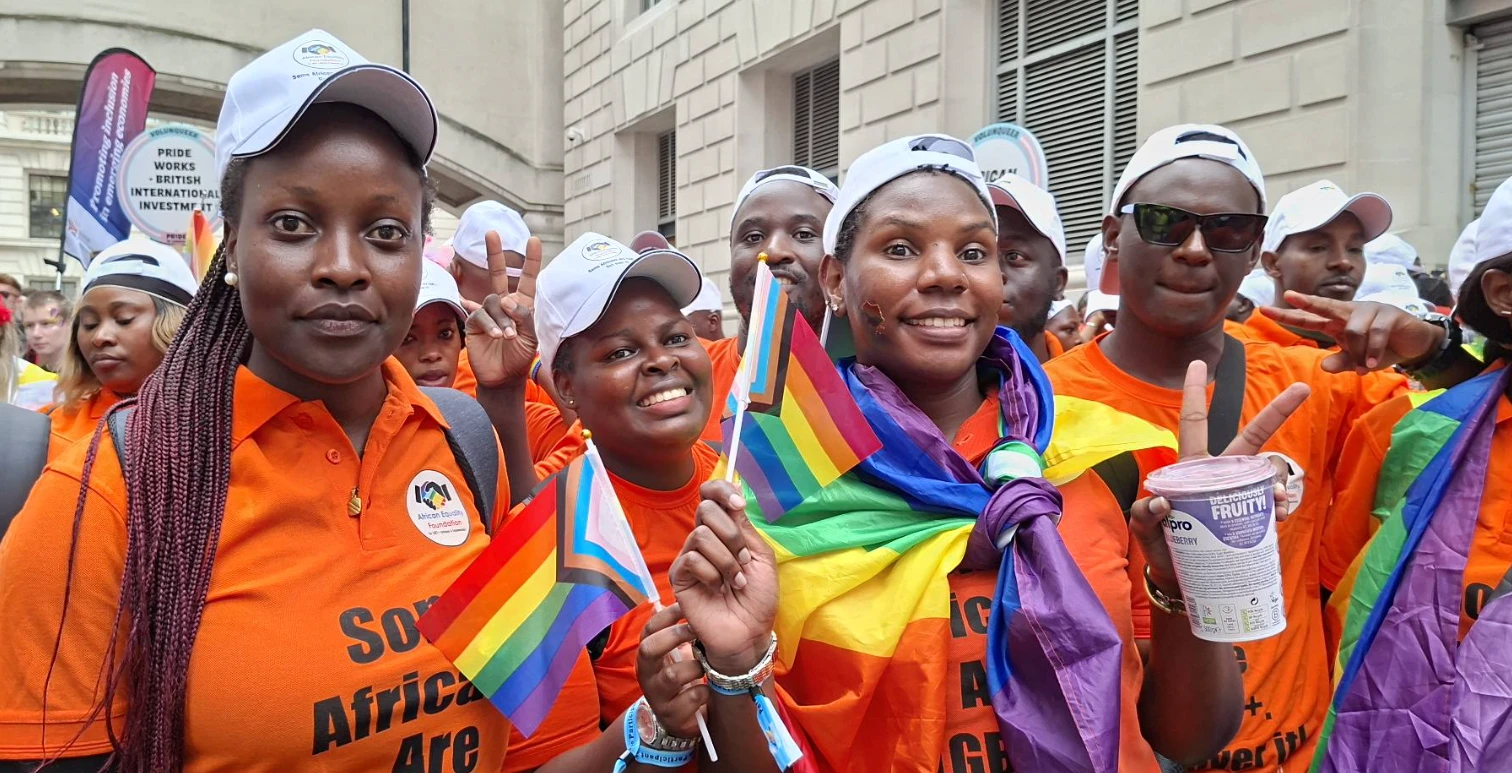
Image: Activists in London protest Uganda’s “kill the gays” law, holding rainbow banners that read “Scrap anti-gay laws in Uganda” and “Stop foreign homophobia.” Such international solidarity highlights the global demand for change (photo: African Equality Foundation)
However, I want to emphasise that this limited win does not weaken the law itself. Lawyers note that the court made no ruling on constitutionality, it simply accepted a medical finding about the defendant’s mental state. While we celebrate Michael’s physical freedom, we must be wary of the legal precedent this sets. By dismissing the case on the grounds of mental incapacity, the court successfully sidestepped the fundamental question: Is the Anti-Homosexuality Act constitutional?
The ruling allows the AHA to remain fully intact, hovering like a guillotine over the rest of the community. It suggests a disturbing new "survival strategy" for LGBTQ+ Ugandans: the only way to escape the state’s punishment is to be rendered mentally unfit by the state’s own cruelty. In fact, just last year the Constitutional Court largely upheld the Act’s most brutal provisions. With the law intact, anyone else arrested for same-sex relations remains at risk of life imprisonment or worse, unless a court similarly deems them unfit to stand trial.
"The law didn't fail Michael. Michael's mind failed under the weight of the law." says one local activist who requested anonymity.
- Technical relief, not justice: “Dismissals offer relief, yes,” warns activist Edward Mwebaza, “but the process itself is the punishment”. The months (or years) of detention, legal bills, stigma and trauma do lasting damage. Many victims cannot easily return to their homes or jobs after being paraded as criminals. Public fear also remains; the accused’s family and community know he was once branded a “deviant,” and others see that arrests can still happen with impunity.
- Continued arrests: Importantly, the court’s decision has not stopped further police action under the law. Rights groups report that arrests for alleged “homosexuality” continue across Uganda, even when they do not lead to trials. Reports from advocacy groups like Chapter Four Uganda and Convening for Equality have already documented over 1,000 violations since the law’s inception, including forced anal examinations and state-sanctioned torture. Michael’s psychosis is the logical endpoint of a system designed to dehumanise. “As long as arrests continue, even without convictions, people will keep suffering,” Mwebaza emphasises. Local NGOs have documented over 250 evictions from homes within months of the law’s passage. Many more fear being outed and live in hiding. In short, one dismissed case does not end the climate of terror the law has created.
- Systemic failures: The DW analysis notes that Uganda’s justice system is straining under political pressure and fear. Prosecutors have admitted confusion over the law’s provisions, and a top official reportedly instructed that all AHA prosecutions be reviewed by the Director of Public Prosecutions (DPP). Even defenders of the law claim that the public backlash made its enforcement tricky. But ordinary queer Ugandans don’t get such legal review – they only get bullets, arrests, or stigma.
Full Repeal is Imperative
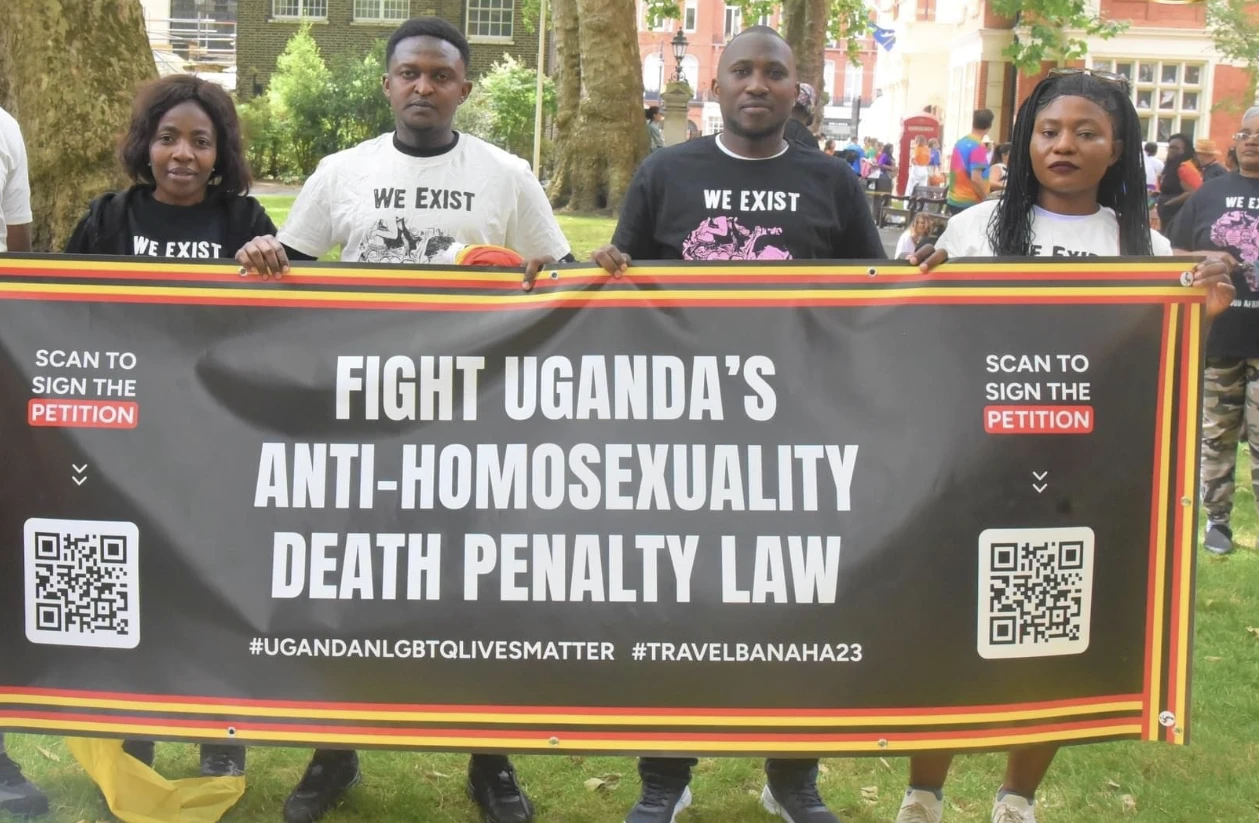
At UmojaPride, we believe that this case-by-case reprieve is not enough. Only the complete repeal of the Anti-Homosexuality Act will truly protect LGBT Ugandans. As Amnesty International stated in April 2024, overturning just parts of the law was “shocking”. Uganda’s leaders must do more than tweak the legislation. We call on the international community and domestic human rights defenders to see the Soroti dismissal for what it is: a distraction.
- We demand a full repeal, not just tactical dismissals.
- We demand mental health support for those surviving state-sanctioned trauma.
- We demand an end to the "remand as punishment" tactic that keeps innocent people in prison for years without trial.
Michael Opolot’s journey from a 20-year-old man in Soroti to a 23-year-old psychiatric patient in a courtroom is an indictment of the Ugandan justice system. The state did not "forgive" Michael. It broke him, and then decided it could no longer put the pieces on trial. Until the law itself is dismantled, no one is truly free. Lasting justice will come only when the Anti-Homosexuality Act is eliminated from the books, restoring dignity and safety to LGBT Ugandans once and for all.